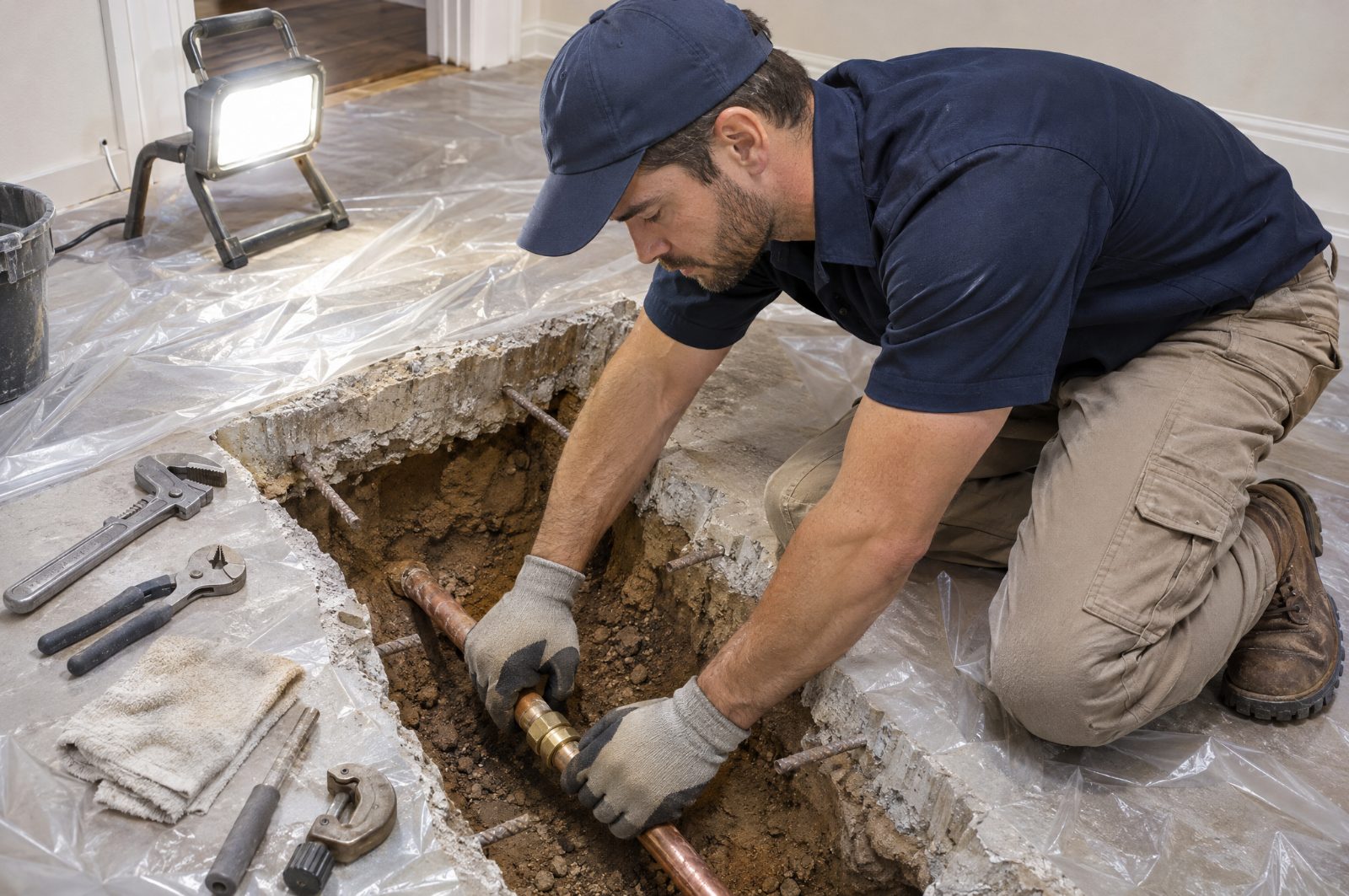
Sewer and Drain Repair
Sewer Line and Drain Repair in Frisco
Recurring backups or slow drains can point to a deeper problem. Let us help identify where the drainage system needs attention. Get a Free Estimate
Sewer and Drain Repair
Recurring backups or slow drains can point to a deeper problem. Let us help identify where the drainage system needs attention. Get a Free Estimate
A slow drain is not always just a clogged fixture. When several drains begin acting differently, when backups recur, or when wastewater returns through a fixture, the problem may be farther into the drainage system. Sewer line and drain repair focuses on understanding where the restriction or damage is located and what needs to be corrected.
The repair approach depends on the affected section, the condition of the line, the location of the problem, and the property around it. A line beneath a yard may present different access considerations from a drain inside the home. We keep the diagnosis connected to the symptoms so the repair is directed at the actual source.

Drainage problems can range from localized blockages to issues farther into the home's sewer line. The pattern of the symptoms helps determine where to look.
A drain that repeatedly slows after being cleared can indicate that the underlying problem has not been fully addressed.
When several fixtures begin draining slowly, the issue may be farther down the shared drainage path.
Wastewater returning through fixtures can indicate a significant drainage restriction or sewer line problem that needs attention.
A damaged or compromised section of sewer line may require repair based on its location and condition.
The pattern of slow drains and backups can help distinguish a fixture issue from a larger drainage problem.
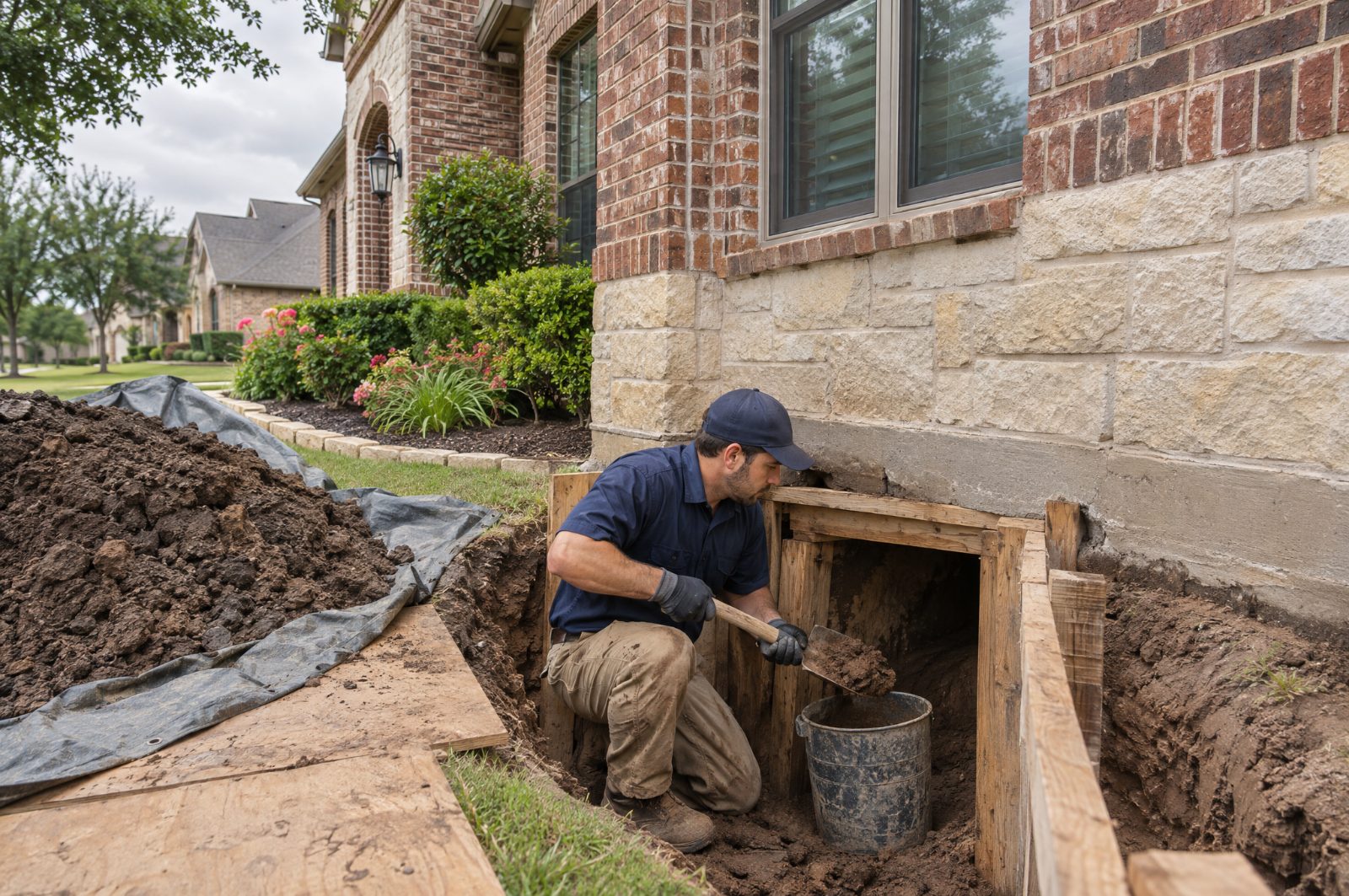
Sewer lines may run beneath yards, driveways, landscaping, or other areas that affect access.
We aim to address the section of the drainage system responsible for the problem rather than treating every slow drain as the same issue.
We explain what the drainage symptoms suggest and what the proposed repair is intended to correct.
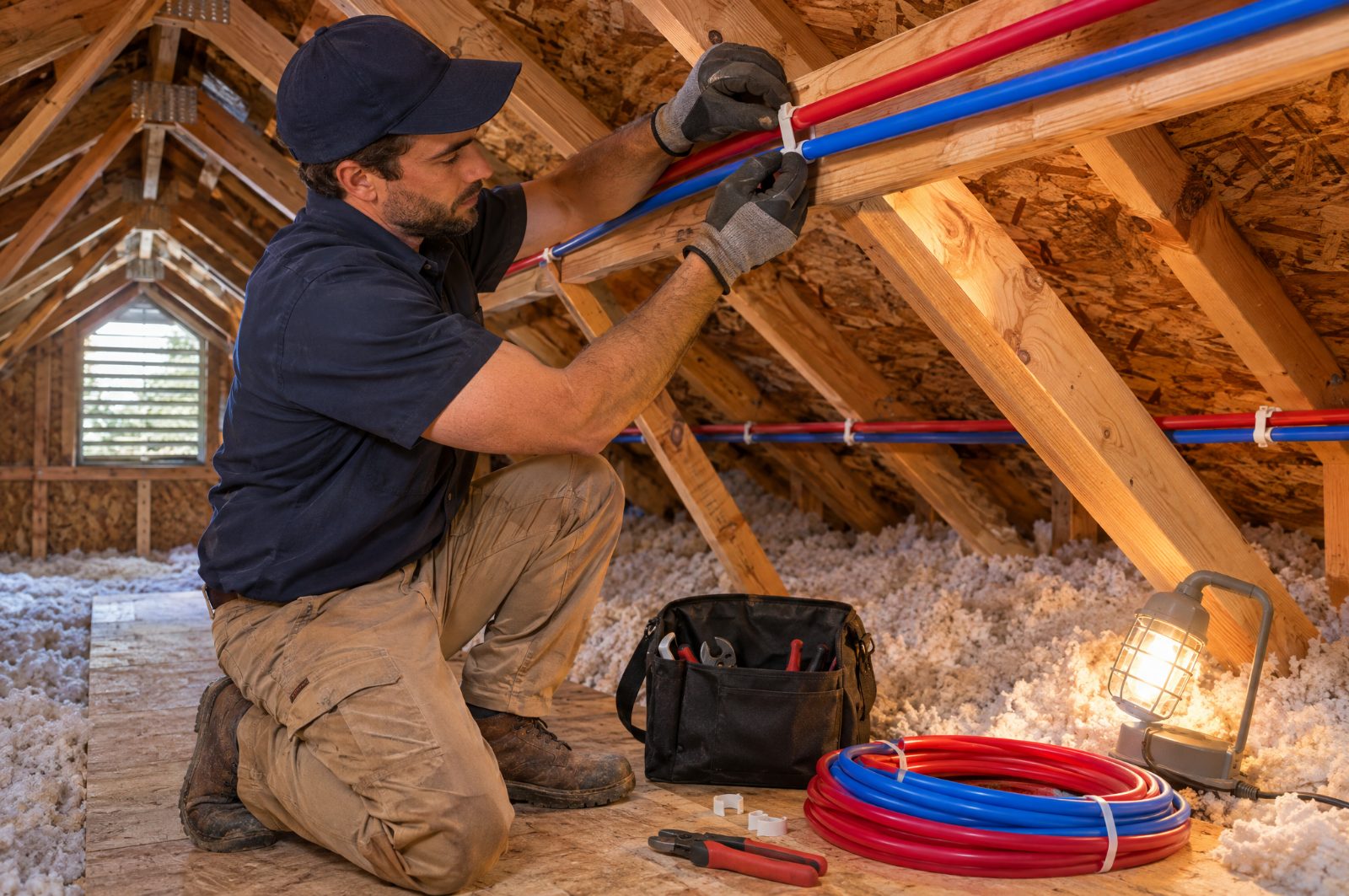
If slow drains or backups keep returning, can help you start figuring out whether the problem is local or farther into the sewer system.
Free — no obligations
We identify which fixtures are affected, how often the problem occurs, and whether backups or odors are present.
The pattern of the problem helps narrow down whether the issue is localized or farther into the drainage system.
The condition and location of the suspected sewer or drain section are considered before the repair is planned.
The affected drainage problem is addressed according to the condition and access requirements at the property.
The repaired system is reviewed to make sure the original symptoms have been addressed.
When multiple fixtures are affected, the problem may be farther into the shared drainage system rather than inside one drain. The location of the symptoms can help determine where the blockage or restriction should be investigated.
Yes, wastewater can return through a lower fixture when a restriction affects the drainage path. The exact cause still needs to be determined because several plumbing conditions can create similar symptoms.
Repeated clogs can indicate that the underlying restriction, buildup, or damaged section has not been fully addressed. Looking at the recurring pattern can help determine whether the problem is farther into the drain system.
It can, depending on where the affected line is located and what access the repair requires. Landscaping, driveways, and other outdoor features may need to be considered when planning the work.